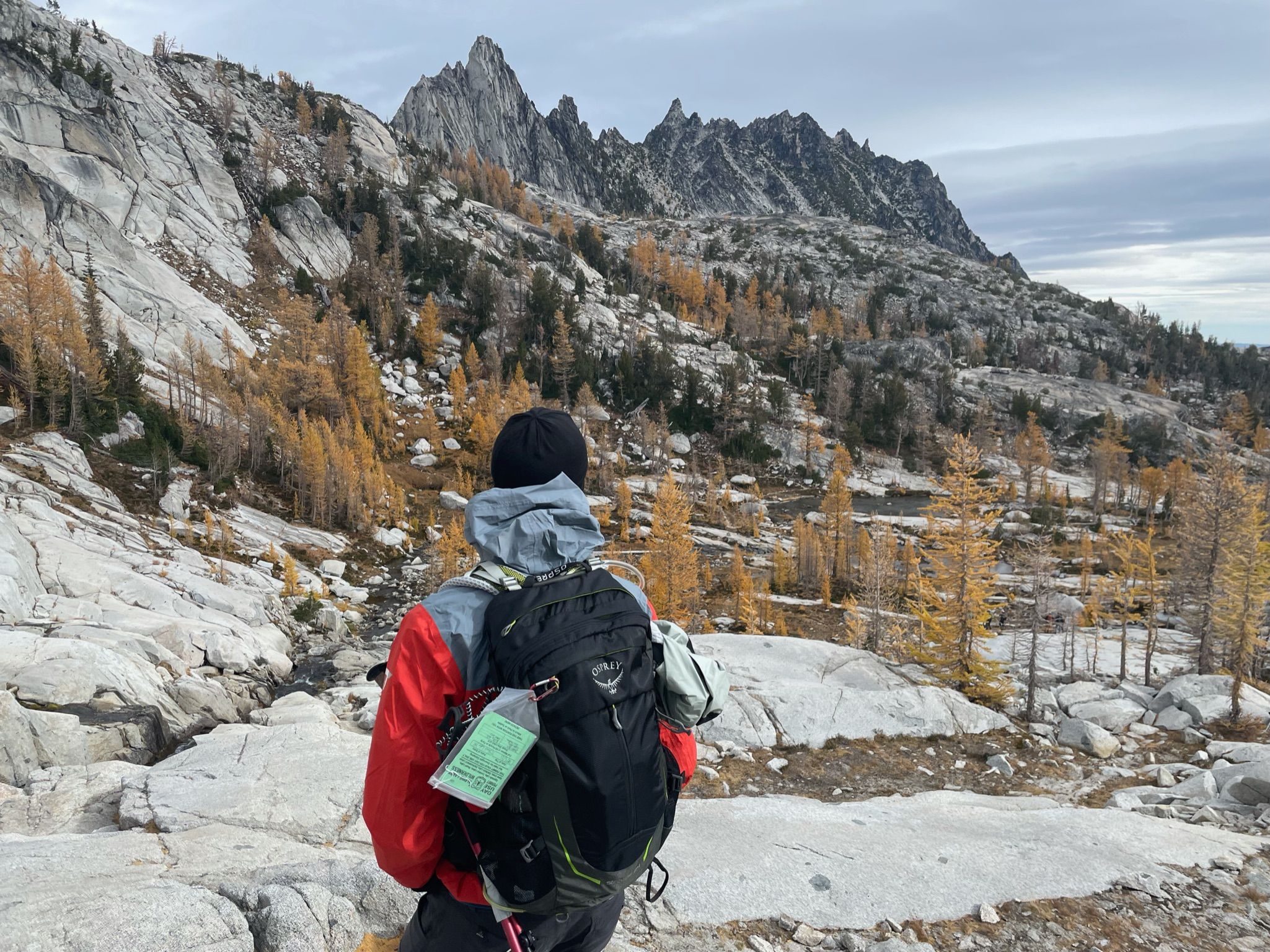
Ninety-three miles around Mount Rainier. Nearly 22,000 feet of elevation gain. Eighteen wilderness camps, each one requiring its own reservation. The Wonderland Trail is the kind of backpacking trip people spend years trying to get—not because the permit system is unusually complicated, but because the demand has become extraordinary. The park receives over 10,000 lottery entries in a typical year for roughly 600 Wonderland Trail permit reservations. Do that math and you understand why people plan around this one.
This is how the Wonderland Trail permit system works, what most applicants get wrong, and every realistic path to getting out there.
Key Dates
| Event | 2026 Dates | 2027 Dates (Expected) |
|---|---|---|
| Early Access Lottery Opens | February 10, 7:00 AM PT | ~February 10 |
| Early Access Lottery Closes | March 3, 7:00 PM PT | ~March 3 |
| Results Announced | March 14 | ~March 14 |
| Early Access Booking Period | March 21 – April 18 | ~Late March |
| General Reservations Open | April 25, 7:00 AM PT | ~April 25 |
| Permit Season | May 1 – October 11 | ~May 1 – October 11 |
2027 dates haven’t been officially announced. The February 10 – March 3 window has been consistent in recent years. Check recreation.gov in January 2027 to confirm.
Why Does This Permit Exist?
Mount Rainier National Park’s backcountry is federally designated wilderness. The park can physically support between 600 and 700 Wonderland Trail reservations per season—that’s not a policy choice, it’s a function of campsite capacity and the fragility of the terrain those camps sit in. Subalpine meadows recover slowly. The ecosystem around Rainier is genuinely sensitive and the permit limits exist to keep it intact.
Wilderness permits are required year-round for all overnight backcountry camping. There’s no permit-free window. Every night on the trail needs to be accounted for on your permit.
How the System Works
The Wonderland Trail permit system has three paths to get a permit. Understanding how they interact—and which one to prioritize—is the whole game.
The Early Access Lottery
This is your best shot and where most people should focus their effort. The Wonderland Trail lottery doesn’t hand you a permit. What it gives lottery winners is a time slot—a specific date and time between late March and mid-April—to log into Recreation.gov and build their itinerary before the general public can see any of it.
Here’s the thing most people miss about this:
What most people don't know
Winning the early access lottery doesn't guarantee you a permit. It gives you early access to the reservation system. If you get an early slot in the access window—say, March 21—the entire mountain is available and you can build whatever itinerary you want. If you get a slot in mid-April, other lottery winners have already been booking for weeks. Not all Wonderland Trail lottery wins are created equal.
The application itself is simple. Between February 10 and March 3, go to recreation.gov and apply for the Mount Rainier wilderness permit lottery. Pay the $6 non-refundable application fee, submit one application per account, and wait for March 14. Winners receive an email with their assigned access window.
During your access window, you log in and build a full itinerary—specific campsites, specific dates, every night accounted for. You’re limited to one reservation during the early access period. Additional reservations open April 25.
General Reservations
On April 25 at 7:00 AM PT, whatever campsites lottery winners haven’t reserved open to the public on recreation.gov. No appointment. First-come, first-served.
This is harder than it sounds. Popular sites for popular dates go fast. July and August weekends at marquee camps will be gone in minutes. If you’re going the general reservation route, have your full itinerary planned before April 25 and be logged in before 7:00 AM.
What most people don't know
The general permit reservation window isn't just a consolation prize. It's genuinely viable if you're flexible. Midweek departures, shoulder season dates, and counterclockwise Wonderland Trail itineraries all see less competition. A Tuesday start in late September leaves a lot more on the table at 7:00 AM than a Friday start in August.
Walk-Up Permits
One-third of all campsite slots are held back from advance reservations entirely and issued as walk-up permits at wilderness information centers inside the park. These are available starting the day before your intended start date.
Four ranger stations issue walk-up permits:
- Longmire Wilderness Information Center
- Paradise Wilderness Information Center
- White River Ranger Station
- Carbon River Ranger Station
Wonderland Trail walk-up permits are more viable than people expect—if you’re flexible. You’re not going to walk up on a Saturday in August and get your preferred itinerary. You might walk up on a Tuesday in September and get something excellent. The ranger station staff will tell you what’s available and help you build a workable route from remaining open campsites.
Arrive early. This is not the place to show up at 9:00 AM and expect anything.
Understanding the Campsite System
This is where the Wonderland Trail differs from almost every other permit in this guide. You’re not just getting permission to be on the trail—you’re reserving specific campsites for specific nights. Every night of your trip must be planned before you book.
There are 18 wilderness camps along the route, each with 3–7 designated campsites—from Spray Park in the northwest to Indian Bar in the southeast. Three non-wilderness camps (Mowich Lake, Cougar Rock, and White River) also sit along the trail. Dispersed camping is not allowed anywhere in Mount Rainier National Park.
A few things worth knowing:
- Groups of 6–12 need a campsite with a group site. Not all camps have them. Check the Mount Rainier National Park website before you plan your itinerary.
- Your permit lists every camp and every date. You cannot freelance once you’re on the trail.
- You must pick up your physical permit at one of the four park wilderness information centers on the day before or day of your start date, even if you reserved online.
What most people don't know
The permit pickup requirement trips up more people than the lottery. You reserved online, you have a confirmation email, you drove four hours to Rainier—and you still need to stop at a wilderness information center or ranger station before you start. Build that stop into your travel day. It's not optional.
How to Improve Your Odds
Apply for the Wonderland Trail Early Access Lottery
The single most effective thing you can do. Over 10,000 people enter for roughly 600 complete Wonderland Trail circuits. The lottery is random—no points system, no history credit, no advantage for repeat applicants. Everyone gets one entry per account. Apply and accept that it’s a coin flip weighted against you, then have a plan for the other paths.
Be Flexible on Start Day
Most people default to Friday or Saturday starts because it minimizes PTO. That’s exactly why Friday and Saturday starts are the most competitive dates in the system. A Tuesday or Wednesday start gives you meaningfully better odds in both the general reservation and walk-up paths. Rangers are actively trying to fill midweek inventory.
Go Counterclockwise
The majority of hikers go clockwise. Counterclockwise itineraries draw from a different pool of campsites and start points—White River, Carbon River, and other trailheads that see less traffic than the main clockwise entry points. It opens availability that clockwise-only applicants are ignoring. It’s the same trail. The views are equally good in both directions.
Target Shoulder Season
July and August are peak season. September is the better month to hike the Wonderland Trail. Wildflowers are past their peak but fall color is starting, the crowds are thinner, and the general reservation and walk-up permit windows have meaningfully more availability. Late June works too, but river crossings can be high and some camps are still snowbound.
Adjust Your Pace
Most people plan 10–14 days at 7–10 miles per day. If you can go faster or slower than that, you can access itineraries other people aren’t building. A 7-day Wonderland Trail blitz or a 14-day meander each compete in different parts of the campsite availability pool.
What the Trail Actually Is
Ninety-three miles. A full circumnavigation of Mount Rainier National Park. The trail gains and loses elevation constantly—it doesn’t stay high, it dips into valleys, crosses rivers, climbs back to ridgelines, and does it again. The 22,000 feet of total gain is cumulative; no single day is a death march, but there are no flat days either.
The National Park Service considers 10–14 days the appropriate range for most backpackers on a trip around Mount Rainier. That’s 7–10 miles per day with significant elevation each day. It’s not technical terrain, but it’s sustained. People who underestimate the cumulative fatigue of a Rainier circuit tend to regret it by day four.
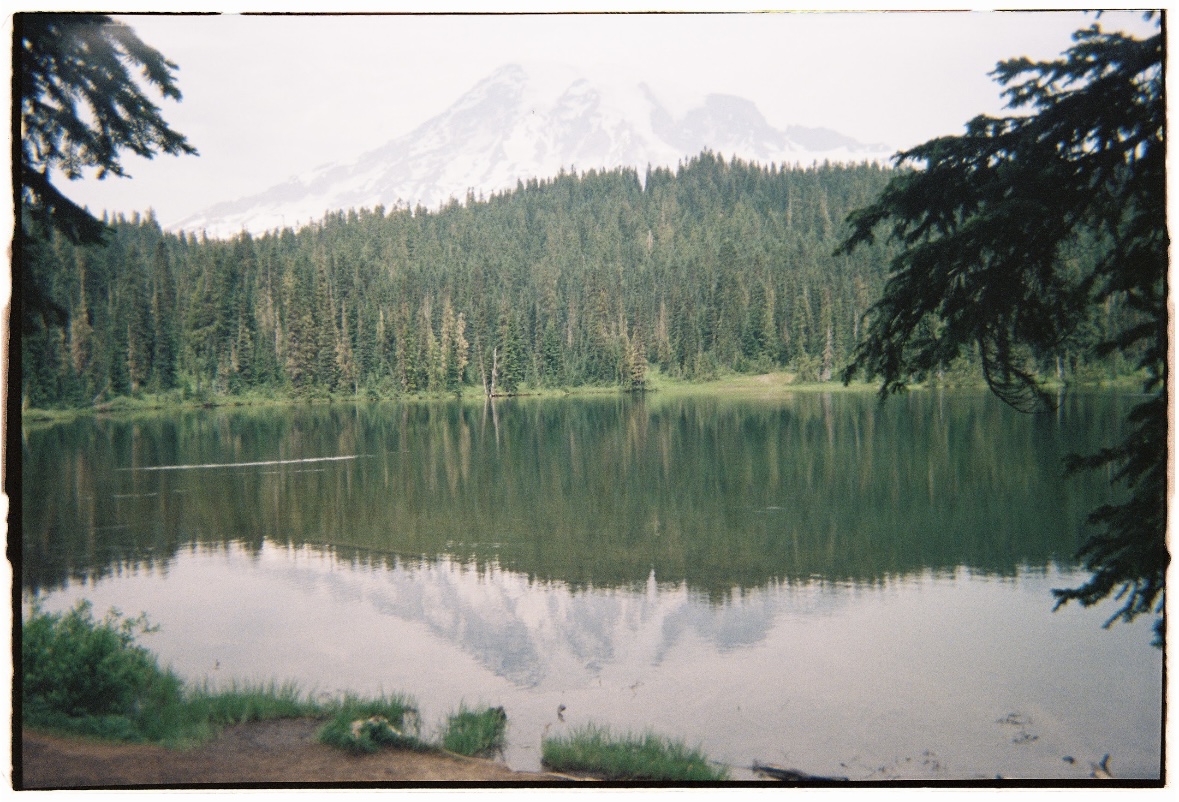
Mount Rainier itself is ever-present. On clear days, the 14,410-foot summit hangs over everything—the most heavily glaciated peak in the lower 48, and impossible to ignore from most of the route. That’s the thing about this trail. You don’t just pass through the landscape. You orbit one of the most dramatic mountains on the continent for two weeks.
Permit Rules Worth Knowing
- One application per recreation.gov account per season. Enforced.
- Winners are limited to one reservation during the early access period.
- You must pick up your permit at a wilderness information center or ranger station on day-of or the day before your start. No exceptions.
- Permits are non-transferable.
- Your start date cannot be changed without canceling and rebooking.
- You can modify campsites on other nights (if space is available) up until the day before each night.
- Group size matters—camps with group sites are limited, check availability before planning.
- A valid America the Beautiful Pass or Mount Rainier National Park entrance fee is required separately from your permit.
Cancellation Policy
Cancel four or more full days before your start date and you’ll get a refund, minus the $6 non-refundable reservation fee. Cancel within three days of your start and no refund is issued.
The $20 recreation fee charged at booking is refundable if you cancel outside that window. Walk-up permits issued in person are not charged the $20 recreation fee.
If your plans fall through, cancel on recreation.gov. Someone else has been waiting.
Gear You Actually Need
The Wonderland Trail is a multi-week wilderness camping trip at elevation. This is not the list to cut corners on.
- Bear canister or hang system — required at designated wilderness camps; most camps have bear poles, but check yours
- River crossing footwear — late June and early July crossings can be thigh-deep; sandals or dedicated water shoes for crossing, dry camp shoes for everything else
- Rain gear — Mount Rainier creates its own weather; plan for rain on any date
- Microspikes — early season camps at elevation can have snowpack
- Trekking poles — not optional on sustained descent days; your knees will thank you
- Resupply strategy — most people cache food at Longmire, Sunrise, or the White River Ranger Station area; plan your food drops before you go
- Ten essentials — fourteen days in Mount Rainier National Park wilderness is not the place to improvise
Don’t Miss the General Release
April 25 at 7:00 AM PT is the moment general reservations open for the Wonderland Trail. If you didn’t win the early access lottery, this is your next best shot at a full advance reservation. Have your preferred itinerary built ahead of time, have your backup itinerary ready, and be logged in before the window opens.
What most people don't know
You can check recreation.gov for cancellations throughout the entire season. People cancel Wonderland Trail permits regularly—plans change, life intervenes, weather forecasts scare people off. These cancellations go back into the system without announcement and can include prime summer dates. A permit alert service is the most reliable way to catch them.
Get Permit Alerts
The Wonderland Trail is one of the permits we track at WildernessBeta. Cancellations return to recreation.gov throughout the season with no notice. Sign up below and we’ll alert you when they appear.
Information verified against Recreation.gov and the Mount Rainier National Park website. Dates confirmed for 2026; 2027 dates are expected to follow the same pattern and will be updated when officially published. Last verified: June 2026.