Hiking South Sister is more accessible than the other Two Sisters peaks: non-technical, no glacier travel required, summit-able by most hikers in reasonable condition. That accessibility is exactly why it’s one of the most congested trails in central Oregon. The Forest Service introduced the Central Cascades Wilderness Permit system in 2021 specifically because places like South Sister were being loved to death. Trampled meadows, overflowing trailhead parking, and a slow-moving line of hikers up the South Sister Climbers Trail from Devil’s Lake every summer weekend.
The permit system fixed most of that. It also means you can’t just show up anymore.
Key Dates
| Event | 2026 Dates |
|---|---|
| Overnight Permit Advance Release | April 7, 7:00 AM PDT |
| Day-Use 10-Day Rolling Window Opens | June 5, 7:00 AM PDT |
| Day-Use 2-Day Rolling Window Opens | June 13, 7:00 AM PDT |
| Overnight 7-Day Rolling Window | Begins at permit season start |
| Permit Season | June 15 – October 15 |
Why Does This Permit Exist?
The Central Cascades Wilderness Permit system covers three wilderness areas across the Deschutes and Willamette National Forests: Three Sisters Wilderness, Mount Jefferson Wilderness, and Mount Washington Wilderness. South Sister sits in the Three Sisters Wilderness within the Deschutes National Forest and is one of the most popular trailheads in the system.
No permits are required before June 15 or after October 15. Outside those dates the trailheads are open, though snow coverage, road closures, and the Cascade Lakes Highway being shut typically make early season access a different kind of challenge.
Two Types of Permits
To hike South Sister, you need a Central Cascades Wilderness Permit. Which type depends on what you’re doing.
Day-Use Permits
Day-use permits are issued per person at $1 per person per outing. They’re tied to a specific date and trailhead. You can’t use a Devil’s Lake Trailhead permit to enter via Green Lakes, and you can’t use Tuesday’s permit on Wednesday.
Day-use permits don’t have an advance season sale. They release on two rolling windows:
- 10-day window: permits available starting 10 days before your entry date, at 7:00 AM PDT. This covers 40% of the daily quota.
- 2-day window: permits available starting 2 days before your entry date, at 7:00 AM PDT. This covers the remaining 60% of the daily quota.
What most people don't know
The 2-day window releases 60% of quota, more than the 10-day window, which means last-minute permits are more plentiful than most people expect. If you're flexible and can plan two days out, your odds are better than trying to grab one of the more competitive 10-day slots.
Overnight Permits
Overnight permits cover groups of 1–12 people at $6 per group permit. Unlike day-use, overnight permits have an advance season release:
On the first Tuesday in April (April 7, 2026 at 7:00 AM PDT), 40% of overnight permits for the entire season go on sale at Recreation.gov. This is the window to target if you want a peak-season weekend date.
The remaining 60% release on a 7-day rolling window, available seven days before your trip start date at 7:00 AM PDT.
What most people don't know
Once you're inside the Three Sisters Wilderness on your permit start date, you have freedom of travel. You don't have to stay near the trailhead listed on your permit, and overnight permit holders don't have to specify where they'll camp each night. That flexibility makes the overnight permit significantly more useful than it sounds on paper. You can adjust your route based on conditions once you're actually out there.
The Trailheads
Three trailheads access South Sister. The trailhead you choose affects your permit quota and your route.
Devil’s Lake Trailhead: the standard South Sister approach. The South Sister Climbers Trail begins at Devil’s Lake Trailhead and is the most direct route to the summit. Most hikers use this trailhead. Quota is the most competitive as a result. Note: trail access has changed. Use the highway underpass on the Elk-Devils Trail to reach the trailhead.
Green Lakes Trailhead: a longer approach that passes the Green Lakes basin and reaches the South Sister Climbers Trail at Moraine Lake junction. More scenery, more miles, somewhat less competition for permits than Devil’s Lake.
Todd Lake Trailhead: another alternative worth considering if the first two are sold out for your date. Longer approach but a viable path to the same destination.
If your preferred trailhead is sold out, check the alternatives before giving up on the date entirely. The quota pools are separate.
What the Hike Actually Is
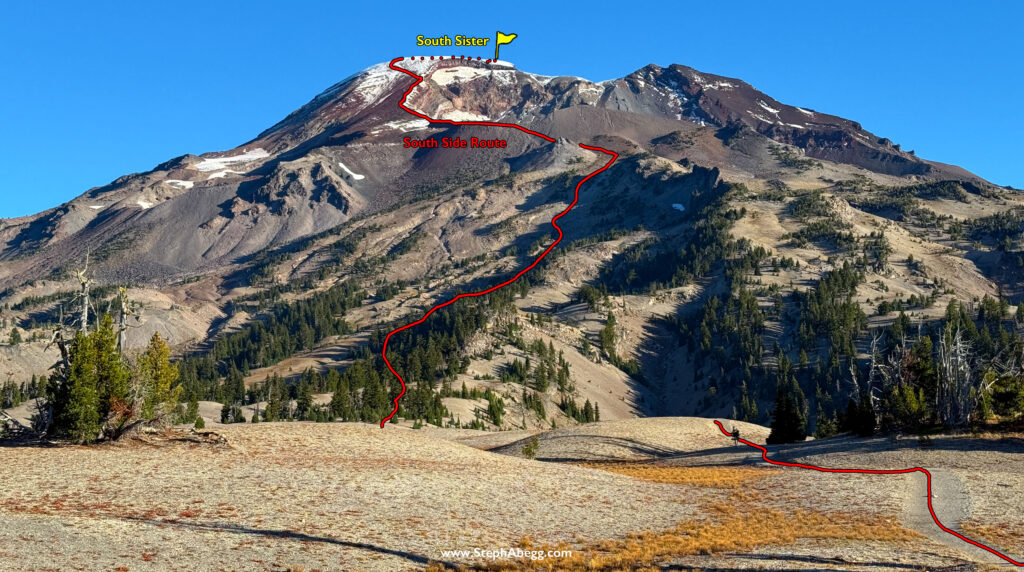
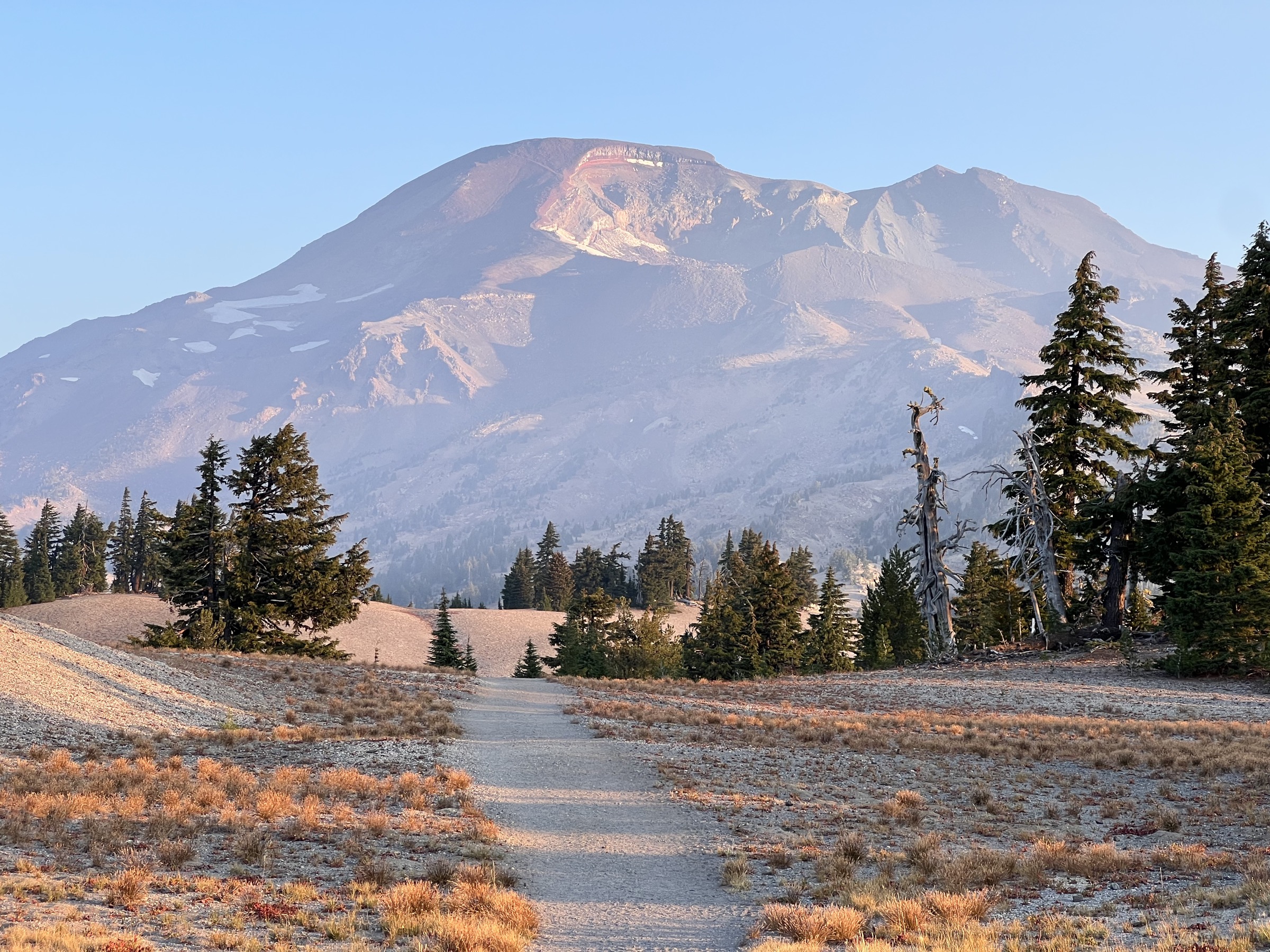
South Sister rises to 10,358 feet and is the third highest peak in Oregon. The standard route from Devil’s Lake Trailhead is about 12 miles round trip with roughly 4,900 feet of elevation gain to the South Sister summit. It’s non-technical, no ropes, no glacier travel, nothing that requires mountaineering experience. What it does require is fitness and a willingness to gain nearly a mile of elevation on a trail that doesn’t apologize for it.
The upper mountain is loose volcanic rock. The final push to the summit rim is the kind of terrain that turns a casual hiker’s legs to rubber. Two steps forward, one step sliding back on scree. Trekking poles make a meaningful difference on the descent.
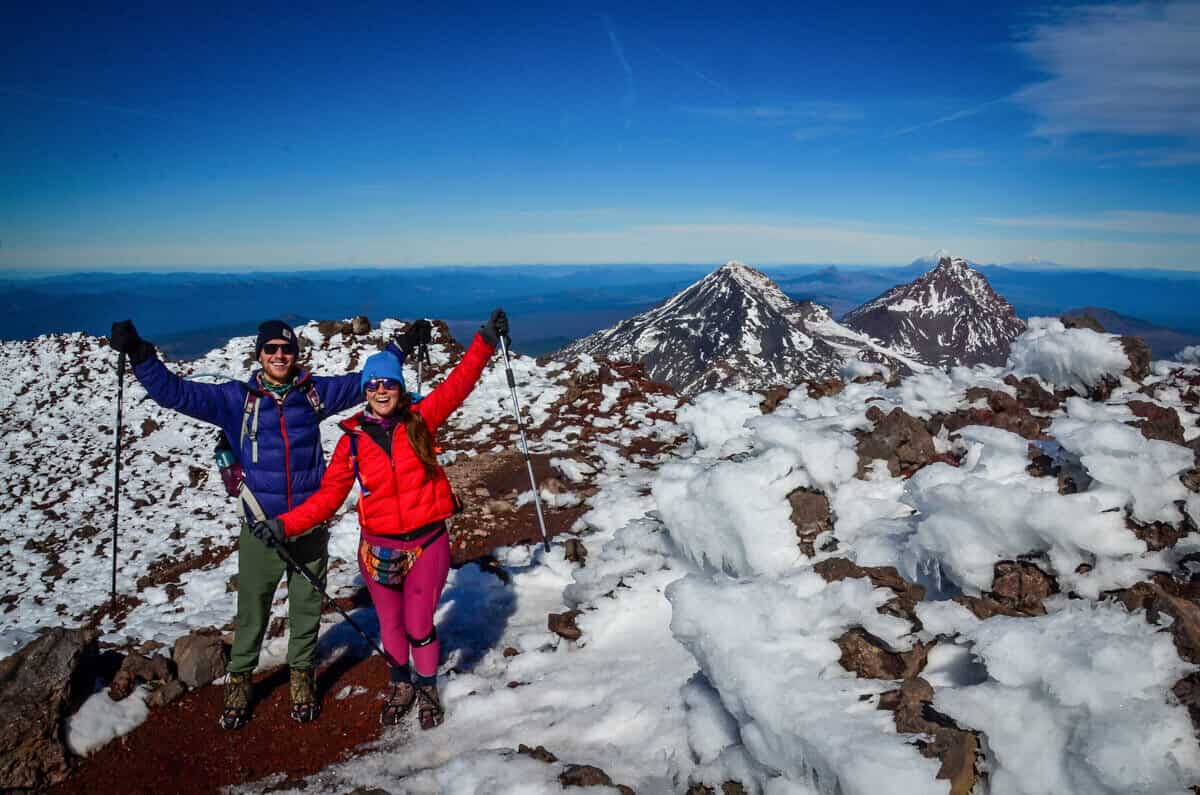
At the summit crater sits Teardrop Pool, one of the highest lakes in Oregon. On a clear day the views extend to Mount Hood, Mount Jefferson, Broken Top, North Sister, and Middle Sister.
What most people don't know
The South Sister Climbers Trail above the treeline is fully exposed. The mountain generates its own weather and afternoon thunderstorms are common from July through August. Most experienced climbers aim to summit before noon and be below the crater rim by early afternoon. This isn't a suggestion. Lightning above 9,000 feet on an exposed ridge is a real hazard.
How to Improve Your Odds
Target the April 7 release for overnight permits. Set an alarm for 6:45 AM PDT on April 7. Have your recreation.gov account logged in and your trailhead, dates, and group size ready before 7:00 AM. The most popular dates, July and August weekends, move fast.
Use the 2-day window for day-use permits. More quota releases here than the 10-day window. If you can make a decision two days out, this is the more reliable path.
Go on a weekday. Midweek dates have meaningfully more availability across both windows. A Tuesday or Wednesday in July competes very differently than a Saturday.
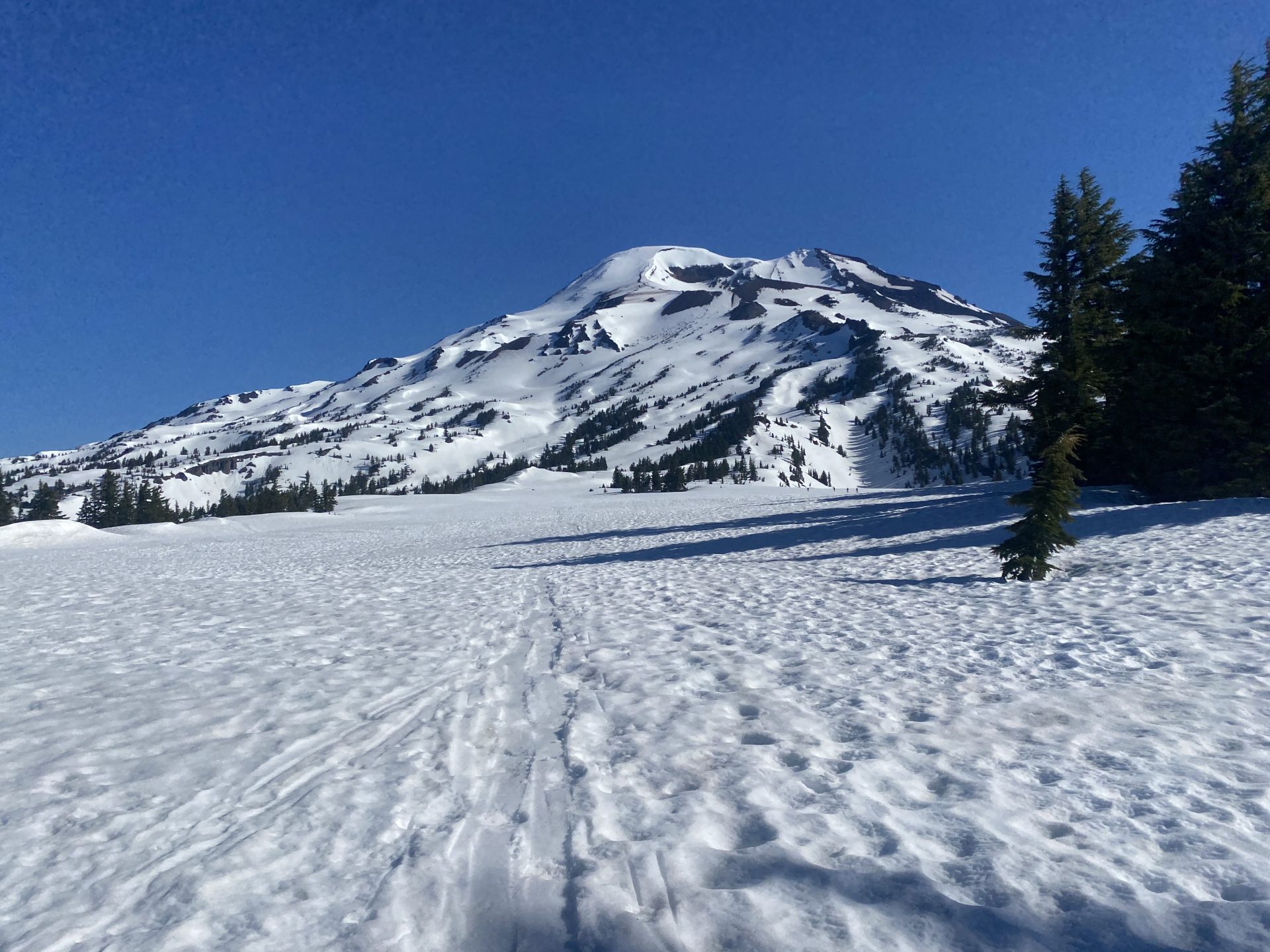
Try shoulder season. Late June and early October have better availability. Late June means snow is possible above 8,000 feet and the Cascade Lakes Highway may not be fully open. October means cold temperatures and potential early-season snow, but permits are easier to get and the crowds are gone.
Check alternative trailheads. Devil’s Lake goes fast. Green Lakes and Todd Lake draw from separate quota pools. If one is sold out, check the others before writing off the date.
Monitor cancellations. People cancel permits throughout the season. Day-use permits at $1 per person are cancelled more casually than you’d expect. Checking recreation.gov in the days before a popular date can surface availability that didn’t exist a week earlier.
Permit Rules Worth Knowing
- Day-use permits are per person and non-transferable.
- Day-use permits are valid only for the entry date and trailhead listed.
- Overnight permits cover groups of 1–12 people.
- Once inside the wilderness, overnight permit holders have freedom of travel, no designated campsites required.
- Day-use permit holders may travel freely within the wilderness once they’ve entered via their permitted trailhead.
- The trip leader must be present with the group at all times.
- Permits must be carried throughout your trip and presented to any Forest Service officer on request.
- Maximum overnight stay is 14 consecutive days.
- Campfires are prohibited above 5,700 feet.
- A Northwest Forest Pass or America the Beautiful Pass is required for trailhead parking.
- Permits are not available at Forest Service offices or at the trailhead. Recreation.gov only.
Exemptions
Two categories of hikers are exempt from the Central Cascades Wilderness Permit system:
PCT long-distance hikers and riders traveling more than 500 miles with a PCT Long Distance Permit are exempt. Camping is restricted to the PCT Corridor and prohibited in certain high-use areas.
Cancellation Policy
The $6 overnight permit fee and the $1 day-use fee are non-refundable. You can cancel before printing your permit, but the fee doesn’t come back.
Before printing, you can modify group size, stock, or pets. Once printed, no changes are accepted. To change your entry date, you must cancel and rebook. Your original fee applies to the new reservation. If the Forest Service closes the area, fees are refunded.
If your plans fall through, cancel on recreation.gov. The quota space goes back into the pool.
What Else This Permit Covers
A Central Cascades Wilderness Permit opens up considerably more than South Sister. The same permit type covers:
- Mount Jefferson via any Jefferson Wilderness trailhead
- Mount Washington via McKenzie Pass
- North Sister and Middle Sister
- Broken Top
- Green Lakes backpacking loop
- Three Sisters Wilderness loop
- Todd Lake and Moraine Lake overnights
If you’re already planning a trip to Bend or the central Oregon Cascades, the permit framework that lets you hike South Sister is worth booking for any of these destinations too.
Gear You Actually Need
South Sister is a long day in mountain terrain. This isn’t a trail where you can improvise.
- Trekking poles: the scree descent from the summit crater is significantly easier with them; most people who skip them regret it on the way down
- Layers: summit temperatures can be 30°F colder than the trailhead; wind is constant above 9,000 feet
- Rain gear: afternoon thunderstorms are common July through August; the mountain generates its own weather
- Sun protection: above treeline for most of the route; the volcanic rock reflects heat
- Microspikes: late June and early October can have snow above 8,000 feet
- Two liters of water minimum: there’s no reliable water above the treeline; carry what you need for the summit push
- Northwest Forest Pass: required for trailhead parking; get one at recreation.gov or a Forest Service office before you go
Get Permit Alerts
South Sister day-use permits release on two rolling windows and cancellations happen throughout the season. Sign up below and we’ll alert you when permits open for your date.
Information verified against Recreation.gov and the Deschutes National Forest. Dates confirmed for 2026. Last verified: June 2026.