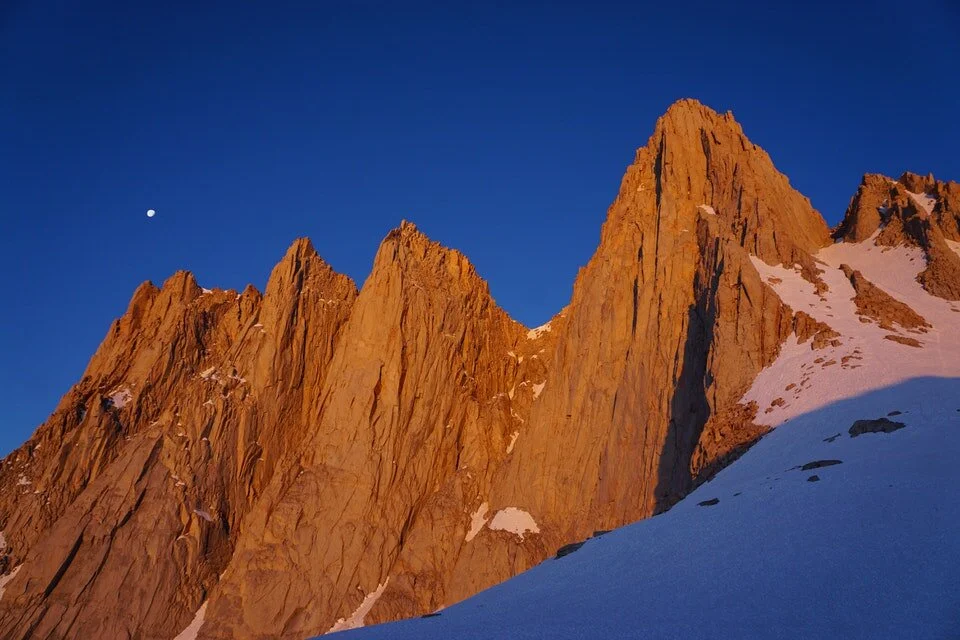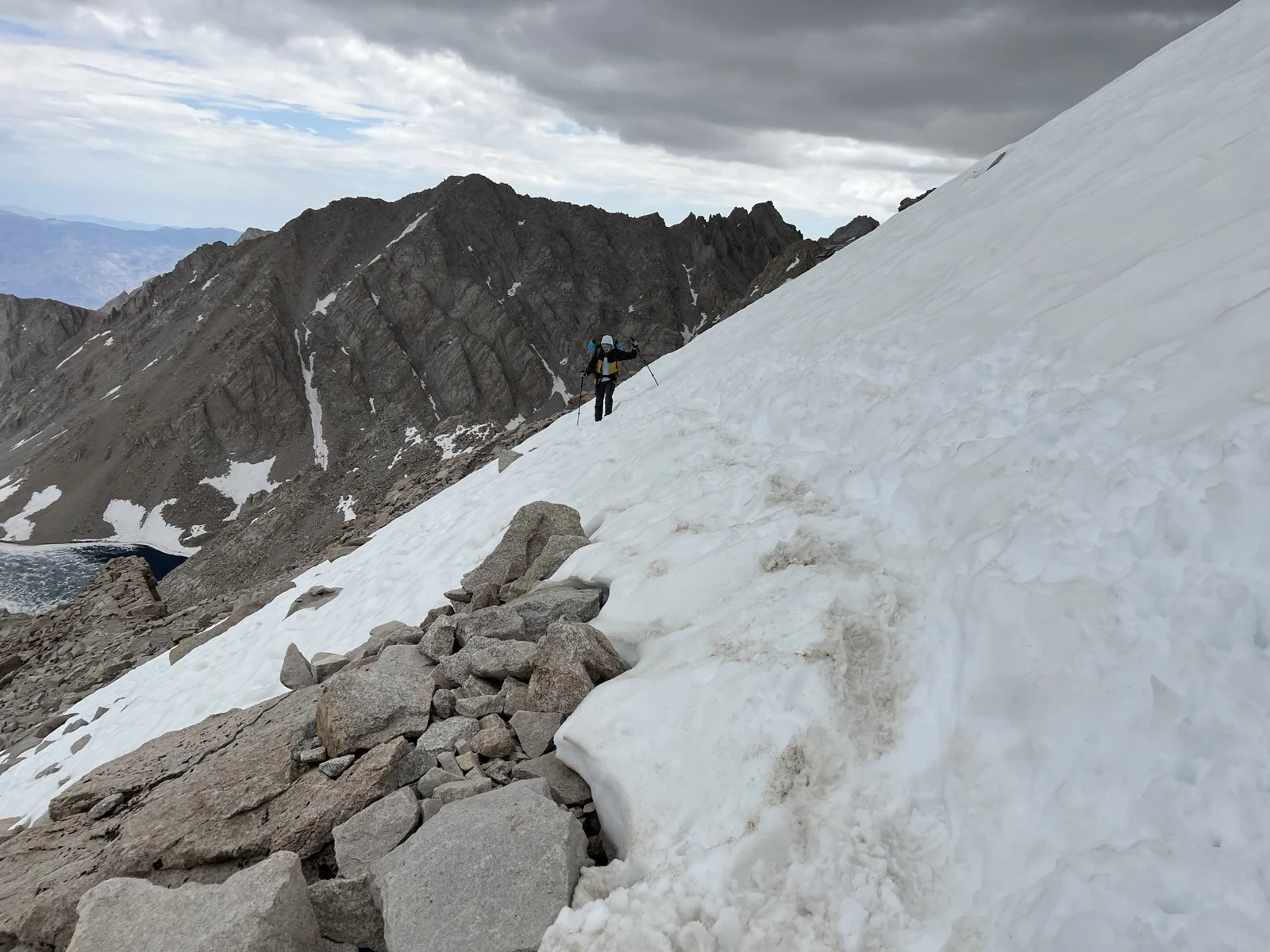
Planning to hike Mount Whitney in 2026 or 2027? A Mount Whitney permit is also one of the hardest permits to get in the Sierra Nevada mountain range. The lottery fills up fast, the April release window goes in seconds, and cancellations are your best remaining shot once quota season starts.
I’ll take you through how the permit system works, what’s still available for 2026, and how to position yourself for 2027.
2026 Mount Whitney Permit — Key Dates
- Lottery Open: February 1, 2026
- Lottery Close: March 1, 2026
- Results Posted: March 15, 2026
- Acceptance Deadline: April 21, 2026 (9 PM PT)
- Unclaimed Permit Release: April 22, 2026 at 7 AM PT
- Quota Season: May 1 through November 1, 2026
- Day Hike Quota: 100 permits per day
- Overnight Quota: 60 permits per day
Note: The 2026 lottery and April 22 release have both passed. If you’re looking to hike Whitney this season, cancellation tracking on Recreation.gov is your path. 2027 lottery dates will follow the same pattern—February 1 through March 1.
What Kind of Permit Do You Need?
Whitney has two permit types and they matter. You cannot swap one permit type for the other after you apply.
Day hike permits are valid midnight to midnight for a single calendar day. Consecutive day-use permits are not allowed. A day hike of Whitney covers 22 miles and 6,200 feet of elevation gain from Whitney Portal. Most people take 12 to 14 hours. You will start in the dark and likely finish in the dark. It’s a serious undertaking.
Overnight permits allow multi-day trips starting on the Mt. Whitney Trail. You can stay multiple nights and exit through other routes on the John Muir Trail — see our John Muir Trail permit. Finishing the JMT at Whitney Portal is one of the great Sierra Nevada thru-hikes. An overnight permit is also one of the paths to securing a JMT permit.
Southbound thru-hikers who start in Yosemite and finish at Whitney Portal need a separate Yosemite Wilderness permit with Donohue Pass eligibility long before Whitney lottery season opens.
The question of which to choose comes down to your physical condition, your experience at altitude, and how much time you have. Many hikers find overnight permits more manageable because they allow additional acclimatization and spread the effort across multiple days—you’re not racing the clock on one of the hardest single-day hikes in the country. That said, overnight permits are harder to win in the lottery than day hike permits.
One thing worth knowing: In my experience working with the rangers at the Eastern Sierra Interagency Visitor Center on modifying overnight permits, they’ve been flexible on exit dates and exit locations. Entry dates are a different story. The visitor center in Lone Pine is worth stopping at before your hike regardless. One ranger told me directly: “we love it when backpackers make changes to see more of the area.” Keep that in mind if your plans shift after you win a permit.
How the Permit System Works
The Mount Whitney Lottery
The Mount Whitney lottery runs February 1 through March 1 every year on Recreation.gov. Results are posted March 15. If you win a Mount Whitney permit, you have until April 21 at 9 PM Pacific to accept and pay the $15 per person recreation fee. Miss that deadline and your permit is cancelled. No exceptions, no extensions.
How the lottery application works:
- Apply at recreation.gov/permits/445860
- List up to 10 alternate trip choices—use all of them
- List up to 3 alternate leaders
- $6 non-refundable application fee per application
- $15 per person recreation fee if you win
The 10 alternate trip choices are your biggest lever. More alternate dates means more ways the system can say yes. Don’t leave any of the 10 slots empty. Unlike some other permit lotteries, Whitney lets you mix day hike and overnight dates in the same application. Use that flexibility.
One application per group or household. Show up on multiple applications and both get cancelled.
What most people don't know
Applying early does nothing. All applications are pooled and drawn at random after March 1. Someone who applies on March 1st has the same odds as someone who applied February 1st. The only thing that matters is applying within the window.
The April 22 Release
After the acceptance deadline passes on April 21, every unclaimed permit goes back into the system and releases on April 22 at exactly 7 AM Pacific Time on Recreation.gov. Online only. No phone sales.
This is the second best opportunity after the lottery and most people underestimate how fast it moves. I’ve done this myself—I grabbed a Mount Whitney permit on April 22 and used it to hike the John Muir Trail. Here’s what I learned.
In my experience, being logged in before 7 AM and going directly to a pre-selected date gave me a much better chance of securing a permit. The most popular dates can still disappear within seconds — browsing the calendar costs time you don’t have. The key is knowing exactly what date you want before 7 AM. Go straight to it. Do not browse the calendar. Do not second-guess yourself. The good dates are gone within a few seconds. If you start changing your mind and scrolling through options, it’s over.
If you’re using Whitney Portal as the southern terminus of a thru-hike, our JMT permit strategy covers entry-point strategy, Donohue Pass quotas, and how Yosemite and Inyo permits fit together.
Be logged into Recreation.gov before 7 AM. Have your group size decided. Have your target date decided. When the clock hits 7:00, go directly to that date and check out as fast as you can.
What most people don't know
Before the April 22 release, Recreation.gov shows an "L" symbol on all dates still pending the lottery. Once unclaimed dates are released, those flip to an "A" with a number showing how many spots remain. If you see an A, move immediately.
Cancellations Throughout the Season
Both the lottery and the April 22 release are past for 2026. What’s left is cancellations. Cancelled permits return to Recreation.gov within 24 hours at random times throughout the season. There’s no predictable pattern.
The practical strategy based on how the system has behaved in recent seasons: check Recreation.gov regularly for your target dates. The Inyo National Forest manages the Whitney permit system and their page is the authoritative source when anything changes. Midweek dates in September and October are your best bet—shoulder season dates have fewer people fighting for the same cancellations.
How to Actually Improve Your Odds
The data is clear on this. Tuesdays and Wednesdays have roughly a 30% chance of getting your first choice in the lottery. Fridays and Saturdays drop to around 10%. That’s a 3x difference in odds based purely on day of week.
September has meaningfully better odds than July or August. The trail is still snow-free, the weather is often the best of the season, and there are fewer applicants competing for the same dates.
List 10 dates. Use all of them. Each set of alternate dates is another way the system can say yes. Don’t leave any of the 10 slots empty.
Keep your group small. The lottery only awards permits if the full quota is available for your requested group size on a given date. Smaller groups have more winning combinations available to them.
Designate alternate leaders. Up to 3 alternates can be listed on one application. Only the group leader or an alternate leader listed on the original application may pick up and use the permit. Set this up during the application—you cannot add alternates after you submit.
What the Hike Actually Is
22 miles round trip. 6,200 feet of elevation gain. Starting elevation of 8,300 feet at Whitney Portal, summit at 14,505 feet.
Most people take 12 to 14 hours for the day hike. You start in the dark at Whitney Portal and you’ll likely finish in the dark. The Mount Whitney Trail is the standard route and it’s non-technical, but the elevation and distance are not trivial. Altitude sickness is real on Whitney. Spending a night in Lone Pine to acclimatize before your hike makes a genuine difference. Lone Pine is the base camp for most Whitney hikers and worth the extra day.
One thing worth knowing: Lone Pine Lake is not in the Whitney Zone. It sits 2.6 miles into the hike and is a legitimate turnaround point if altitude or conditions hit harder than expected.
Trail Camp at 12,000 feet is where most overnight permit holders spend their first night on the Mt. Whitney Trail. It’s also where the marmots live. Marmots at Trail Crest have zero respect for your gear and will tear into an unattended pack looking for food. Day hikers: do not leave your pack at Trail Crest. Overnight hikers: pull your bear canister out and leave it separate so the marmots ignore your pack.
Leave the Whitney Portal trailhead no later than 3 or 4 AM for a day hike. Afternoon thunderstorms build quickly on the exposed upper trail and summit ridge. You want to be off the summit and below Trail Crest before early afternoon.
Permit Rules Worth Knowing
Quotas and fees:
- 100 day-use permits per day during quota season (May 1 to November 1)
- 60 overnight permits per day during quota season
- Maximum group size: 15 people
- $6 non-refundable application fee per reservation
- $15 per person recreation fee covers entry into the Whitney Zone (no refunds under any circumstances)
Permits must be printed and carried during the hike. If you print at home you skip the in-person check-in at the visitor center. If you don’t print, you need to check in at the Eastern Sierra Interagency Visitor Center before hitting the trail. The visitor center in Lone Pine is worth stopping at before your hike regardless.
Bear canisters are required from Memorial Day through November 1 starting at Whitney Portal. This is enforced. If you’re doing an overnight trip you need one. Day hikers don’t need a bear canister but you need to be diligent about food. Don’t leave anything in your car at Whitney Portal without securing it in a bear box at the Whitney Portal Campground.
No-show deadlines:
- Day-use permits: cancel by one day before your entry date or your permit is forfeited
- Overnight permits: cancel by 10 AM on your entry date
Changes you can make after winning:
- Reduce group size (no refund)
- Change your exit date on overnight permits—rangers are flexible here
- Correct trip details
Changes you cannot make (contact the wilderness permit office for anything outside these):
- Entry date
- Group leader or alternate leaders
- Permit type (day hike vs overnight)
What to Do Right Now for 2026
The lottery is gone. The April 22 release is gone. Your options for a Mount Whitney permit in 2026:
Check Recreation.gov directly for cancellations on your target dates. Midweek dates in September and October are your best bet. The “A” symbol means available. Move fast when you see it.
For 2027—mark February 1 in your calendar right now. That’s when the Mt. Whitney permit lottery opens. Apply for your Mount Whitney permit the first week and list all 10 alternate dates.
Gear You Actually Need
- Bear canister: required for overnight trips from Memorial Day through November 1
- Layers: the temperature drop from Portal to summit is significant, plan for it
- Water: at least 4 liters, there are water sources on trail but plan your filtering stops
- Microspikes or crampons: essential for early season (May, June) when the upper trail and summit ridge are snow-covered
- Headlamp: you will use it on both ends of a day hike
- Sun protection: above 12,000 feet the UV exposure is severe
- WAG bags: mandatory for all routes exiting at Whitney Portal. Pack them out or face a fine.
Alerts for Mount Whitney
Cancellations appear on Recreation.gov at random throughout the season. WildernessBeta sends alerts when permits open up for specific dates. Sign up below.
All permit information verified against the Inyo National Forest Mt. Whitney permit page and Recreation.gov. Last verified June 2026.