Hiking Difficulty Calculator
A WildernessBeta hybrid model that combines effort formulas with route modifiers, then scales results to a 0-10 day-hiking ceiling.
Metrics
Terrain & Technical
Shenandoah
8.00
Kip Yost
6.11
Petzoldt
6.96
Pro Tip: Altitude above 8,000 ft compounds exertion because oxygen availability drops as you climb.
Methodology Breakdown
Shenandoah
8.00√(2 × gain × distance), piecewise-normalized for day-hike reliability.
Kip Yost (adapted)
6.11Adds conservative modifiers for altitude, mileage, exposure, snow, heat, talus, route-finding, and true Class 3/4 scrambling.
Petzoldt (NOLS)
6.96Energy miles: distance + (gain ÷ 500).
Hybrid scores are scaled so the NH Presidential Traverse is the practical 10.0 day-hike ceiling.
 7.1
7.1Closest Comparison
Grinnell Glacier (MT)
10.6 miles and 1,630 ft gain in Montana: a reference route on the WildernessBeta difficulty scale.
Formula Weights
The algorithm weights each formula equally before scaling the final hybrid score to the Presidential Traverse ceiling. Reference hikes now carry their own route modifiers, so exposed, snowy, hot, rocky, or route-finding-heavy classics are not treated as plain trail walks.
Learn about NormalizationCompare Against Reference Hikes
33 tracked peaks in the database
| Hike Name | Miles | Elev Gain | Beta Score ↓ |
|---|---|---|---|
| Grinnell Glacier (MT) | 10.6 | 1,630 | 7.1 |
| Granite Peak (MT) | 22 | 7,240 | 10.0 |
| Presidential Traverse (NH) | 20.4 | 8,917 | 10.0 |
| Kings Peak (UT) | 27.5 | 4,750 | 9.7 |
| Mount Whitney (CA) | 21.4 | 6,100 | 9.6 |
| Enchantments (WA) | 19.5 | 5,250 | 9.3 |
| Mount Shasta (Avalanche Gulch, CA) | 11 | 7,200 | 9.1 |
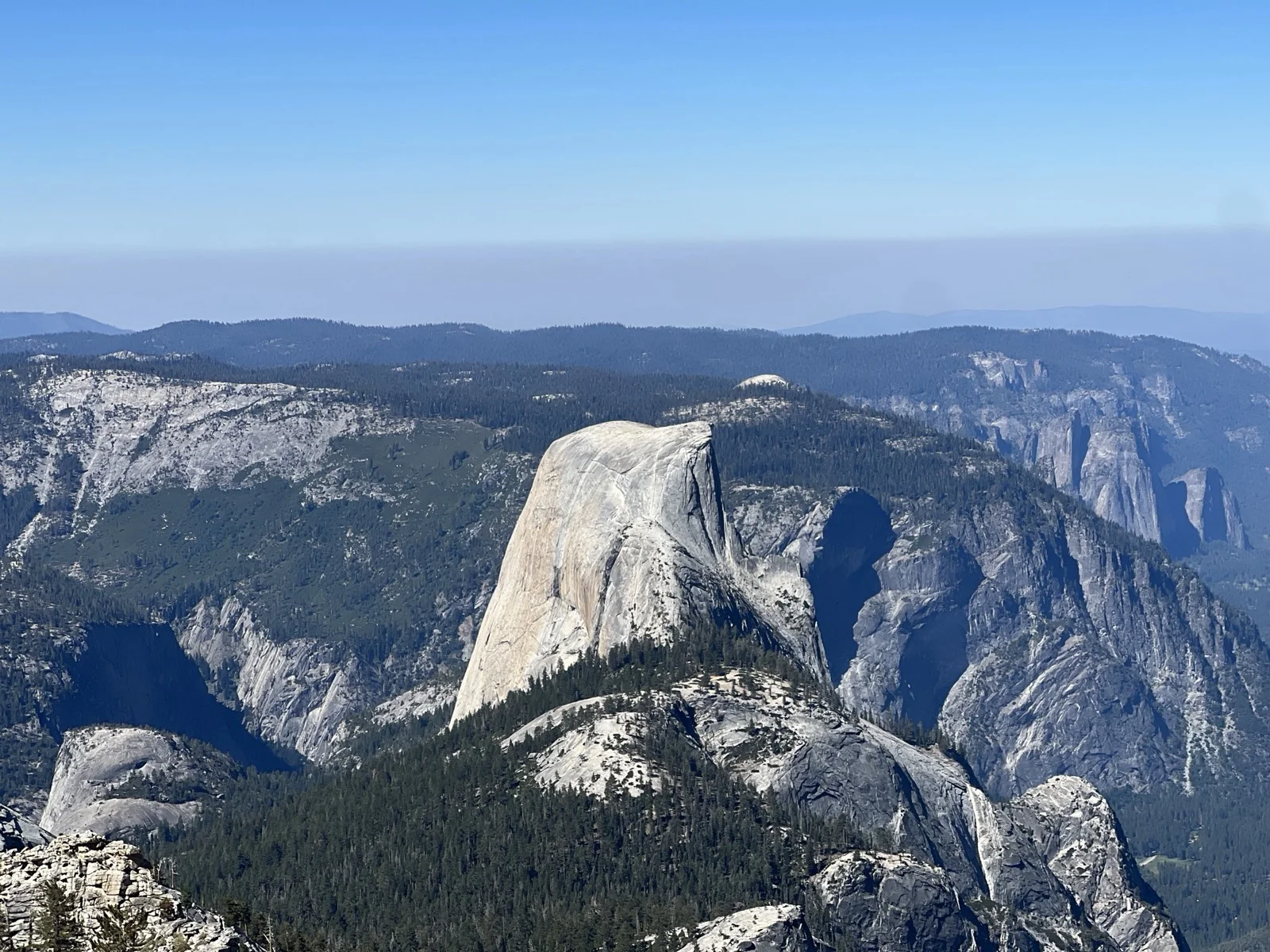
| Half Dome (CA) | 16.2 | 4,800 | 8.9 |
| Mount Timpanogos (UT) | 15 | 4,500 | 8.8 |
| Borah Peak (ID) | 8.2 | 5,300 | 8.5 |
| South Sister (OR) | 12.5 | 4,900 | 8.5 |
| Sahale Glacier Camp (WA, North Cascades) | 12 | 4,100 | 8.4 |
| Mount Hood (OR, South Side) | 6 | 5,300 | 8.3 |
| Mount Katahdin (ME, Hunt Trail) | 10.4 | 4,200 | 8.3 |
| Telescope Peak (CA, Death Valley) | 12.6 | 3,200 | 8.3 |
| Mount Marcy (NY) | 14.8 | 3,166 | 8.1 |
| Mount Mitchell (NC) | 11.8 | 3,694 | 8.0 |
| Mount Saint Helens (WA) | 8.5 | 4,500 | 8.0 |
| Mount Washington (NH, Tuckerman Ravine) | 7.2 | 4,250 | 7.8 |
| Wheeler Peak (NV) | 8.2 | 2,986 | 7.7 |
| Guadalupe Peak (TX) | 8.4 | 3,000 | 7.6 |
| Camel's Hump (VT) | 4.8 | 2,350 | 6.4 |
| Angels Landing (UT) | 5.4 | 1,500 | 5.9 |
| Mount Monadnock (NH) | 3.8 | 1,750 | 5.4 |
| Jenny Lake Loop (WY, Grand Teton NP) | 7.1 | 1,040 | 5.4 |
| The Wave (AZ/UT) | 6.7 | 418 | 4.7 |
| Delicate Arch (UT) | 3.2 | 480 | 3.5 |
| Mirror Lake (CA, Yosemite, loop) | 4.4 | 305 | 3.4 |
| Grotto Falls (TN) | 2.6 | 585 | 3.3 |
| Clingmans Dome / Kuwohi (TN) | 1 | 337 | 2.2 |
| Grand Prismatic Spring Overlook (WY) | 1.6 | 200 | 2.1 |
| Mesa Arch (UT, Canyonlands) | 0.6 | 65 | 1.4 |
| Bridalveil Falls (CA, Yosemite) | 0.5 | 85 | 1.1 |
Click column headers to sort. Your comparable hike is highlighted.
How Hiking Difficulty Ratings Work
Most hiking apps and guides use vague terms: "moderate," "strenuous," "expert." Hikers interpret those differently depending on fitness, experience, and what they did last weekend. A standardized rating system helps remove some of the guesswork.
This calculator is a WildernessBeta hybrid model. It combines three effort formulas with conservative route modifiers for terrain factors that mileage and elevation gain miss. The formulas do not always agree, and that disagreement is useful.
The three formulas:
The Shenandoah metric measures raw physical difficulty: √(2 × elevation gain × miles). It is simple, consistent, and useful for sustained effort.
The Kip Yost-inspired method adds route modifiers for mileage, altitude, exposure, snow or ice, heat, boulder fields, route-finding, ridgeline travel, and true Class 3/4 scrambling. In this calculator, scrambling means hands are required for upward progress for more than a move or two.
The Petzoldt Energy Miles system estimates effort using a simple formula: miles + (elevation gain / 500). It is especially useful for comparing routes with different combinations of distance and climbing.
Why we use all three:
A single formula would miss important dimensions. By averaging them, then scaling the final score to a practical day-hike ceiling, the model captures raw exertion, energy cost, and route seriousness without letting ultra-long outliers flatten the scale.
No formula can fully capture altitude acclimatization, weather, trail conditions, pack weight, individual fitness, or personal risk tolerance. The calculator estimates objective route difficulty, not how difficult a hike will feel for a specific person. If a route involves Class 5 rock climbing, the Yosemite Decimal System already defines that difficulty precisely. Use it instead.
The benchmark:
The Presidential Traverse in New Hampshire is treated as the practical 10.0 ceiling for this day-hiking scale. It combines big mileage, big gain, exposed ridgeline travel, route commitment, and unpredictable White Mountain weather. Harder or more technical trips exist, but they require different skills and should not dilute a hiking-focused 0-10 scale.
Reference hikes in the table include route modifiers where relevant. That means Angels Landing is penalized for exposure, The Wave for heat and route-finding, Shasta and Hood for snow or ice, and true Class 3 routes like Borah and Granite for hands-required scrambling.
Shenandoah Metric
Raw difficulty = √(2 × elevation gain × distance). Useful for sustained physical effort.
Kip Yost-Inspired Modifiers
Adds conservative modifiers for altitude, mileage, exposure, snow or ice, heat, boulder fields, route-finding, ridgelines, and true hands-required Class 3/4 scrambling.
Petzoldt Energy Miles
NOLS Energy Miles model = miles + (elevation gain ÷ 500). Simple and useful for comparing distance-heavy routes against climb-heavy routes.